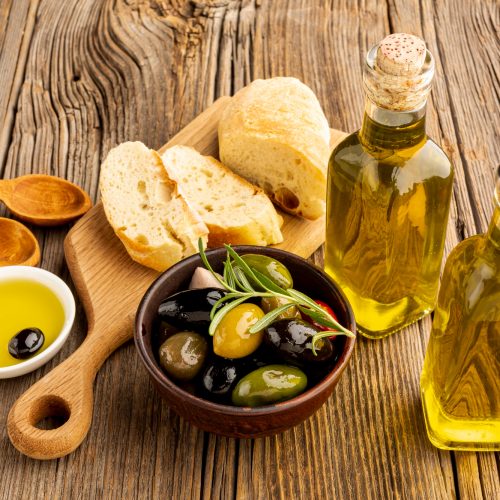
In Messinia, olive oil is much more than something you pour over a salad. It is part of everyday life, family traditions and the region’s identity. From the olive groves stretching across the countryside to the small tavernas serving freshly prepared local dishes, olive oil is everywhere.
But there is a difference between enjoying good olive oil and truly understanding what makes it special.
If you have ever visited an olive grove, tasted freshly pressed oil or wondered why some olive oils have a surprisingly peppery finish, learning how to taste olive oil can make your next visit to Messinia even more memorable.
And the best part? You do not need to be an expert to appreciate it.
Discovering the Flavors of Messinian Olive Oil
The first thing you might notice during an olive oil tasting in Messinia is how different one oil can be from another.
Some are delicate and almost buttery, while others are bold, grassy and pleasantly bitter. You might discover aromas that remind you of freshly cut grass, green tomatoes, herbs or almonds. These differences can reflect the olive variety, the time of harvest and the way the oil was produced and stored.
Messinia is particularly famous for its Koroneiki olives, a variety widely appreciated for producing aromatic extra virgin olive oil with distinctive fruity characteristics.
To really experience these flavors, it helps to forget about bread for a moment. Although dipping fresh bread into olive oil is one of the simplest pleasures of Greek cuisine, tasting the oil on its own allows you to notice details that might otherwise go unnoticed.
Pour a small amount into a clean glass and hold it gently in your palm. Cover the opening with your other hand and swirl the glass for a few moments. The warmth of your hand helps release the oil’s natural aromas.
Then bring the glass close to your nose and take a slow breath.
You might recognize something familiar immediately, or you might need a little more time. Perhaps the scent reminds you of green leaves, fresh herbs or a tomato plant in the summer.
There are no complicated rules here. The idea is simply to pay attention and discover the character of the oil in front of you.
That Peppery Feeling Is Part of the Experience
Once you have explored the aromas, take a small sip and allow the olive oil to spread across your mouth.
At first, you may notice a smooth, almost creamy texture, followed by flavors that gradually become more noticeable. Some oils feel mild and rounded, while others have a distinct bitterness that develops on the tongue.
Then comes one of the most interesting parts of olive oil tasting: the peppery sensation at the back of your throat.
If a particularly lively olive oil makes you cough slightly, do not be surprised. This sensation, known as pungency, is a natural and positive characteristic of many extra virgin olive oils. Together with fruitiness and bitterness, it is one of the qualities professional tasters look for.
It is also worth remembering that this peppery feeling has nothing to do with the oil’s acidity. Acidity is measured through chemical analysis, not through taste.
After swallowing, notice how the flavors develop. Some oils leave a gentle impression that disappears quickly, while others have a longer, more intense finish.
Neither intensity nor mildness automatically makes an olive oil better for your personal taste. What matters is its freshness, quality, balance and the characteristics you enjoy.
Why Tasting Different Olive Oils Makes Such a Difference
One of the nicest ways to explore olive oil is to compare a few varieties side by side.
Imagine sitting at a table in the Messinian countryside with three small glasses of olive oil in front of you. They may look almost identical, but as soon as you begin smelling and tasting them, their differences become surprisingly clear.
One might have a fresh, grassy aroma and a strong peppery finish. Another could be softer, with subtle notes of ripe fruit and a more delicate character.
Between tastings, a little water can help refresh your palate. Some organized tastings also offer slices of apple to help prepare your senses for the next sample.
You may even discover that the oil you initially found too intense becomes your favorite when paired with food.
A bold, bitter olive oil can work beautifully with ripe tomatoes, grilled vegetables or hearty traditional dishes. A milder oil might complement fresh cheese, fish or more delicate flavors.
This is part of what makes olive oil tasting so enjoyable. It is not only about recognizing different characteristics, but also about understanding how those characteristics become part of the food you eat.
The Stories Behind Every Bottle
What makes an olive oil tasting in Messinia particularly special is the opportunity to connect the flavors with the people and landscapes that produce them.
When visiting a local producer or taking part in a farm experience, you can learn things that a supermarket label rarely explains.
You might hear about the family’s olive groves, the challenges of the harvest or the importance of choosing the right moment to pick the fruit. Producers can explain how quickly the olives reach the mill, why harvesting conditions matter and how the oil changes from one season to another.
Even a simple conversation about which foods pair best with a particular oil can reveal something about local cooking traditions.
In Messinia, olive oil is closely connected to the family table. It is used generously in traditional recipes, shared with relatives and friends, and often comes from groves that families have cared for across generations.
Understanding this connection makes each tasting feel less like a technical exercise and more like an introduction to the region itself.
Experience Olive Oil Where It Begins
You can certainly practice olive oil tasting at home, but there is something different about experiencing it in the place where the olives grow.
A visit to a Messinian olive grove offers the opportunity to see the trees, discover local agricultural traditions and understand how one of Greece’s most important ingredients makes its journey from the land to the table.
And once you have learned to recognize those fresh, fruity, bitter and peppery notes, you may never taste olive oil in quite the same way again.
The next time you sit down for a meal in Kalamata or a small Messinian village, take a moment before dipping your bread into the olive oil.
Smell it. Taste it. Notice what makes it different.
Because sometimes, the simplest ingredient on the table has the most interesting story to tell.
Discover the authentic flavors of Messinia
At Mama Gaia, we believe that discovering a destination means experiencing its traditions, meeting its people and connecting with the food that brings them together.
Explore our farm experiences and discover the flavors, stories and agricultural heritage that make Messinia such a special place to visit.