When planning a holiday in Greece, most travellers immediately think of summer. Golden beaches, crystal-clear waters, warm evenings, and long lunches beside the sea are often the first things that come to mind.
And while summer is undoubtedly a wonderful time to explore Messinia, it is far from the only season worth experiencing.
Located in the southwestern Peloponnese, Messinia is a destination that changes beautifully throughout the year. Spring brings green landscapes and wildflowers, summer fills the coastline with life, autumn marks the beginning of the olive harvest, and winter reveals a quieter, more traditional side of the region.
Each season offers something different, from swimming in the turquoise waters of Voidokilia to exploring ancient ruins, wandering through traditional villages, or discovering the agricultural traditions that shape everyday life.
So, what is the best time to visit Messinia? The answer depends on the kind of holiday you are looking for. Whether you love beaches, nature, food, or authentic cultural experiences, there is a season that will make your visit particularly memorable.
Spring in Messinia: Nature, Villages and Outdoor Adventures
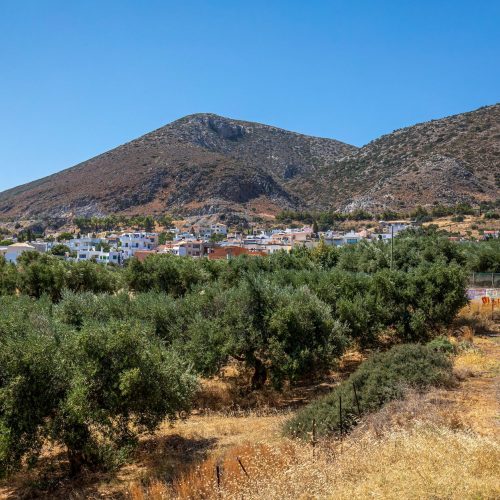
Spring is one of the most beautiful and often overlooked times to visit Messinia. As the countryside awakens after winter, the hills turn green, wildflowers appear along rural paths, and olive groves become part of a vibrant Mediterranean landscape.
The milder temperatures make this an excellent season for exploring beyond the coastline. Archaeological sites such as Ancient Messene, historic castles, and traditional villages are particularly enjoyable when the weather is comfortable enough to spend hours outdoors.
Spring is also a wonderful time for road trips. You can explore the picturesque streets of Kardamyli, discover the coastal beauty of Pylos, or travel through small mountain villages without the intense heat of midsummer.
Discovering Messinia Through Seasonal Food
Spring brings fresh ingredients to local kitchens, including wild greens, herbs, and seasonal vegetables. Traditional tavernas begin incorporating these ingredients into familiar recipes, offering visitors a taste of the region’s agricultural heritage.
It is also an ideal season for families who want to experience more than beaches. Farm visits, nature walks, archaeological excursions, and outdoor meals can easily become part of a varied holiday itinerary.
Best for: Nature lovers, hiking, sightseeing, road trips, families, and travellers who enjoy exploring at a relaxed pace.
Summer in Messinia: Beaches, Coastal Villages and Mediterranean Evenings
Summer is the classic Messinian holiday experience. The Mediterranean sun warms the coastline, the sea becomes the centre of daily life, and towns and villages fill with visitors enjoying the long, bright days.
Kalamata becomes particularly lively, with its seafront cafés, restaurants, and beach bars creating a welcoming summer atmosphere. Further along the coast, destinations such as Finikounda, Koroni, Methoni, and Pylos offer beautiful beaches, traditional harbour settings, and plenty of opportunities to explore.
Whether you prefer organised beaches with sunbeds and waterfront tavernas or quieter coves surrounded by nature, Messinia offers an impressive variety of coastal landscapes.
Summer evenings are equally memorable. After a day by the sea, there is nothing quite like wandering through a seaside village, enjoying freshly prepared Greek food, and watching the sun disappear over the horizon.
Making the Most of the Summer Heat
Although summer is ideal for swimming and coastal activities, the higher temperatures can make sightseeing more demanding, particularly during July and August.
A good approach is to explore archaeological sites, markets, and villages in the morning, enjoy a leisurely lunch and rest during the hottest hours, and return to the beach in the late afternoon.
Popular destinations also become busier during peak season, especially in August. Visiting famous beaches early in the day or discovering lesser-known coastal spots can make the experience more relaxed.
For travellers dreaming of a traditional Mediterranean beach holiday, summer remains an excellent choice.
Best for: Swimming, beaches, nightlife, coastal villages, family holidays, and lively summer evenings.
Early Autumn in Messinia: Warm Seas and Slower Travel
For many travellers, early autumn offers one of the most appealing combinations of weather, atmosphere, and activities.
September and early October can still bring pleasantly warm days, while the sea often retains much of its summer warmth. At the same time, the busiest holiday period begins to fade, giving coastal towns and villages a more relaxed atmosphere.
This makes early autumn particularly attractive for visitors who want to combine swimming with cultural experiences, countryside exploration, and traditional food.
You might spend the morning discovering the castles of Methoni and Koroni, enjoy lunch at a village taverna, and finish the afternoon with a swim along the Messinian coastline.
The slightly cooler conditions also make road trips and longer walks more comfortable than during the hottest summer weeks.
As autumn progresses, the countryside gradually begins preparing for one of its most important agricultural events: the olive harvest.
Best for: Couples, food lovers, road trips, swimming, sightseeing, and travellers looking for a balance between relaxation and exploration.
Olive Harvest Season: Experiencing the Heart of Messinia
For travellers interested in local traditions and authentic rural experiences, the olive harvest in Messinia offers a completely different perspective on the region.
Usually taking place from autumn into winter, the harvest transforms the countryside. Nets appear beneath olive trees, farmers begin collecting the fruit, and olive mills prepare to turn freshly harvested olives into one of Greece’s most celebrated products.
Olive oil is much more than an ingredient in Messinia. It is part of the region’s identity, connecting generations of families to the land they cultivate.
Visiting during harvest season offers an opportunity to understand this connection firsthand. Depending on the experience available, you may be able to explore olive groves, learn about harvesting methods, visit a working mill, or taste freshly produced extra virgin olive oil.
Fresh olive oil can be surprisingly intense, with grassy aromas, pleasant bitterness, and a distinctive peppery finish. Discovering these flavours while surrounded by the landscape where the olives grow makes the experience even more meaningful.
Harvest timing varies depending on weather, olive variety, location, and the individual producer, so it is worth confirming availability if witnessing active production is an important part of your trip.
Best for: Olive oil enthusiasts, agritourism, culinary experiences, rural traditions, and travellers interested in local life.
Winter in Messinia: Discovering a Quieter Side of Greece
Winter might not be the first season that comes to mind when planning a Greek holiday, but it offers a side of Messinia that many summer visitors never experience.
The coastline becomes quieter, villages return to their everyday routines, and the region’s agricultural traditions become more visible.
While winter weather is less predictable and some seasonal tourism businesses may close or reduce their hours, the atmosphere can be particularly rewarding for travellers who prefer slower, more meaningful experiences.
This is the season for exploring traditional villages, enjoying comforting homemade dishes, discovering local products, and experiencing Messinia beyond its summer identity.
A visit to Kalamata’s historic centre, a drive through the countryside, or a long lunch in a welcoming village taverna can become the highlight of a winter escape.
Rather than focusing on beaches, winter encourages visitors to appreciate the region’s culture, food, and connection to the land.
Best for: Slow travel, local food, olive oil experiences, quiet villages, and visitors who prefer fewer crowds.
When Is the Best Time to Visit Messinia for Food?
One of the most enjoyable things about travelling through Messinia is discovering how local cuisine changes throughout the year.
Traditional Greek cooking has always been closely connected to the seasons, making every visit an opportunity to experience different ingredients and flavours.
In spring, fresh greens, herbs, and seasonal vegetables take centre stage. Summer brings ripe tomatoes, aubergines, peppers, courgettes, and colourful salads dressed with local olive oil.
Autumn introduces changing harvest ingredients and the beginning of olive production, while winter is particularly appealing for fresh olive oil, warming stews, and comforting traditional dishes.
For food lovers, there is no single perfect season. Each period reveals a different side of Messinian cuisine, and exploring local markets, tavernas, and farms can make these seasonal differences even more enjoyable.
Choosing the Best Season for Your Travel Style
The best time to visit Kalamata and Messinia depends largely on what you want from your holiday.
For families with children who love swimming, summer offers the greatest variety of beach activities. However, spring and early autumn can be more comfortable for families planning sightseeing, outdoor experiences, and countryside excursions.
Couples looking for a romantic escape may appreciate the relaxed atmosphere of spring or autumn, when picturesque villages, coastal walks, and traditional meals can be enjoyed at a slower pace.
For hiking and outdoor exploration, spring and autumn generally provide more comfortable temperatures than the hottest summer months. The landscapes of Mani, inland walking routes, and archaeological sites are particularly enjoyable when conditions are mild.
If avoiding crowds is your priority, consider travelling outside July and August. Spring, autumn, and winter offer a quieter atmosphere, although some coastal businesses may operate seasonally.
Experiencing the Seasons at Mama Gaia Kalamata
One of the most fascinating aspects of visiting a farm is discovering how closely everyday life follows the seasons.
At Mama Gaia, near Kalamata, the surrounding countryside offers a wonderful introduction to the agricultural landscape and food traditions of Messinia.
Unlike a typical tourist attraction, a farm changes throughout the year. Gardens produce different ingredients, agricultural activities follow seasonal rhythms, and the landscape reflects the natural cycle of the land.
Spring introduces fresh growth and greenery, summer brings an abundance of seasonal produce, and autumn marks important changes in the agricultural calendar. Winter reveals a quieter side of rural life, shaped by the weather and the needs of the land.
For travellers seeking authentic experiences, this connection to nature is part of what makes countryside visits so rewarding.
Rather than expecting exactly the same activities in every season, visitors can appreciate the changing rhythms of local agriculture and discover how traditional food culture remains connected to the land.
A Quick Guide to the Best Time to Visit Messinia
| Season | Best experiences |
|---|---|
| Spring (March–May) | Nature, wildflowers, hiking, villages, archaeology, and road trips |
| Summer (June–August) | Swimming, beaches, coastal towns, nightlife, and family holidays |
| Early Autumn (September–October) | Warm sea, fewer peak-season crowds, food experiences, and sightseeing |
| Olive Harvest (Autumn–Winter) | Olive groves, working mills, fresh olive oil, and agritourism |
| Winter (December–February) | Traditional villages, local life, seasonal cuisine, and slow travel |
Frequently Asked Questions About Visiting Messinia
What is the best month to visit Messinia?
There is no single best month. June, July, and August are popular for beach holidays, while May, September, and early October often offer an appealing balance of comfortable weather, sightseeing, and outdoor activities.
Can you visit Messinia outside summer?
Absolutely. Messinia can be visited throughout the year, with spring and autumn particularly suitable for nature, food experiences, and cultural exploration. Some coastal businesses may operate seasonally.
When is olive harvest season in Messinia?
The olive harvest generally takes place during autumn and winter, although the exact timing depends on the weather, olive variety, location, and producer.
Is autumn a good time to swim in Messinia?
Yes. September and sometimes early October can offer excellent swimming conditions, with seawater that has retained warmth from summer. Conditions naturally vary depending on the weather.
Is Messinia worth visiting in winter?
Yes, particularly for travellers interested in local culture, traditional villages, olive oil production, food, and quieter experiences rather than beach activities.
When is the best time to visit Messinia with children?
Summer is ideal for families planning a beach-focused holiday. Spring and early autumn can be better for combining outdoor exploration, sightseeing, and family-friendly countryside experiences.
Every Season Tells a Different Story
There is no single version of Messinia.
A summer visitor discovers golden beaches, lively coastal villages, and long Mediterranean evenings. Someone arriving in spring finds green landscapes, blooming countryside, and comfortable days exploring historic sites.
Autumn introduces the olive harvest, fresh local flavours, and a slower rhythm, while winter reveals quiet villages, agricultural traditions, and everyday life beyond the tourist season.
Each experience is different, but each is equally connected to the character of this beautiful region.
Perhaps that is what makes Messinia such a rewarding destination. No matter when you visit, there is always something new to discover, whether it is a hidden village, a traditional recipe, or a quiet moment surrounded by olive trees.
And sometimes, the best way to truly understand a place is to return and experience it in another season.
Discover Messinia — every season tells a different story.