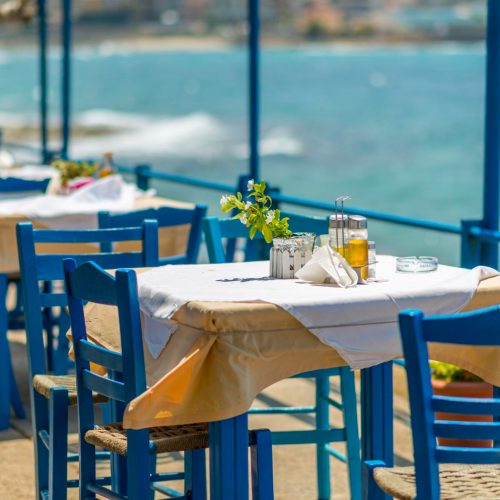
There is something special about sitting down at a traditional Greek taverna. Perhaps it is the smell of freshly grilled meat, the sound of conversations drifting between tables, or the sight of colourful dishes arriving until there is barely enough space left for another plate.
Whatever the reason, visiting a good Greek taverna is about much more than enjoying delicious food. It is an experience that brings together local ingredients, culinary traditions, warm hospitality, and a way of life that encourages you to slow down.
In Messinia, where olive groves stretch across the countryside and traditional villages meet the Mediterranean coastline, tavernas offer a wonderful introduction to the region’s food culture. But with so many places to choose from, how can you recognise a truly good one?
The answer is not always found in beautiful views or impressive menus. Sometimes, the most memorable meals are served in the simplest surroundings.
1. A Menu That Celebrates Simplicity
One of the first things you might notice at a traditional Greek taverna is that the menu does not necessarily offer hundreds of dishes. Instead, it often focuses on familiar recipes that the kitchen knows how to prepare particularly well.
A selection of traditional appetisers, seasonal salads, slow-cooked dishes, and grilled specialities can tell you more about a kitchen than an extensive menu offering everything imaginable.
Greek cuisine is built around simple ingredients prepared with care. A perfectly ripe tomato, fresh local cheese, fragrant oregano, and a generous drizzle of olive oil can create something just as satisfying as a more elaborate dish.
When exploring the traditional tavernas of Messinia, look for places that celebrate local recipes and ingredients rather than trying to offer everything at once.
2. Daily Specials That Reflect the Local Kitchen
Sometimes, the most interesting dishes are not even written on the menu. Many traditional Greek tavernas prepare daily specials based on available ingredients, seasonal produce, and family recipes passed down through generations.
These dishes, often called mageirefta, might include slow-cooked meat, stuffed vegetables, traditional stews, or oven-baked specialities.
This is why one of the most useful questions you can ask is “What have you cooked today?”
You might discover a traditional dish you have never tried before, prepared with ingredients sourced from the surrounding countryside. And often, these unexpected discoveries become the meals you remember long after your holiday.
3. A Genuine Connection to Local Ingredients
Greek cuisine is deeply connected to the land, and nowhere is this more evident than in agricultural regions such as Messinia.
The countryside surrounding Kalamata is known for its olive groves, vegetable gardens, traditional cheeses, and locally produced ingredients. A good taverna often reflects this connection through the food it serves.
The olive oil might come from a nearby producer, the vegetables may be grown locally, and the cheese could be sourced from a regional dairy.
If you are curious, ask where the ingredients come from. Staff who know their kitchen and suppliers can often share interesting stories about the food they serve.
These small conversations can turn a simple meal into an opportunity to discover the traditions and people behind Messinian cuisine.
4. A Place Where Locals Enjoy Eating
When travelling through Greece, it is tempting to choose a restaurant based entirely on its location. A table overlooking the sea certainly adds to the atmosphere, but some of the best food experiences are found away from the busiest tourist areas.
You might discover a small taverna in a quiet village square, where families gather for lunch and friends spend their evenings enjoying food and conversation.
Seeing local people regularly visiting a taverna can be an encouraging sign. It often suggests that the place has built a relationship with its community.
Of course, popular tourist restaurants can also serve excellent food. Still, when exploring the villages around Kalamata, paying attention to where local residents choose to eat can lead to some wonderful discoveries.
5. Food That Is Meant to Be Shared
One of the most enjoyable aspects of eating at a Greek taverna is the way food brings everyone together.
Rather than ordering individual starters and main courses, Greek dining often revolves around several dishes placed in the middle of the table.
A typical meal might begin with a fresh Greek salad, local cheese, olives, seasonal vegetables, and traditional appetisers. Grilled meats, cooked dishes, or freshly prepared fish may follow, depending on the location and the kitchen’s specialities.
Everyone is encouraged to taste a little of everything, pass plates around, and enjoy different combinations of flavours.
This shared approach reflects something important about Greek hospitality. A meal is not simply about satisfying your appetite. It is about spending time together, exchanging stories, and enjoying the moment.
6. Fresh Ingredients That Speak for Themselves
One of the greatest strengths of traditional Greek cooking is its ability to transform simple ingredients into memorable dishes.
A good tomato should taste rich and sweet. Fresh olive oil should have a distinctive aroma, and local cheese should offer flavours that reflect the character of the region.
In Messinia, seasonal ingredients play an important role in traditional recipes. Summer brings ripe tomatoes, courgettes, aubergines, and peppers, while cooler months are ideal for hearty cooked dishes and seasonal greens.
The best tavernas do not necessarily rely on elaborate presentations. Instead, they allow the quality of their ingredients to create the experience.
Sometimes, a plate of fresh vegetables with good olive oil tells you everything you need to know about the kitchen.
7. A Kitchen That Respects the Seasons
Seasonality has always been an important part of Greek food culture. Traditional cooking follows the ingredients available throughout the year, allowing local recipes to change naturally with the seasons.
Spring brings fresh greens and herbs, while summer offers an abundance of colourful vegetables. Autumn introduces changing produce and the olive harvest, while winter is perfect for warming stews and slow-cooked meals.
When visiting a traditional taverna, ask what is currently in season or which dishes the kitchen recommends.
It is a wonderful way to experience the changing flavours of Messinia and discover recipes that may not appear on menus throughout the year.
8. Hospitality That Makes You Want to Stay Longer
Perhaps the most important quality of a truly good Greek taverna is something that cannot be measured by the menu.
It is the atmosphere.
Greek dining culture places great importance on spending time with family and friends. Meals are often relaxed occasions where conversations continue between courses and nobody feels the need to rush.
A welcoming taverna does not need elaborate décor or expensive furniture. A shaded courtyard, a few tables beneath an old tree, or a terrace overlooking a quiet village street can create the perfect setting.
What matters is the sense of comfort and genuine hospitality. Sometimes, the food has been finished for quite some time, but nobody is ready to leave.
And that is often when you realise you have found somewhere special.
What Should You Order at a Traditional Taverna in Messinia?
One of the best ways to explore Messinia is through its food. The region has a rich culinary identity shaped by olive cultivation, local agriculture, and its connection to the sea.
When visiting a traditional taverna in Messinia, several local ingredients and dishes are worth discovering.
Sfela: A Distinctive Messinian Cheese
Sfela is one of the region’s characteristic cheeses, known for its firm texture and salty, slightly tangy flavour. Often enjoyed on its own or served fried, it is a wonderful introduction to the traditional dairy products of the Peloponnese.
Kalamata Olives and Local Olive Oil
No culinary journey through Messinia would be complete without its famous olives and extra virgin olive oil. Sometimes, the simplest combination of freshly baked bread, Kalamata olives, and local olive oil is enough to appreciate the region’s agricultural heritage.
Syglino: Traditional Cured Pork
Syglino is a traditional preserved pork product associated with the Peloponnese, particularly the Mani region. Its distinctive flavour often comes from smoking and traditional preservation techniques. It can be enjoyed as an appetiser or incorporated into cooked dishes.
Kagianas: A Traditional Greek Favourite
Kagianas is a comforting dish prepared with eggs, tomatoes, and olive oil, sometimes accompanied by local cheese or cured meat. Its simple ingredients create a rich and satisfying meal that reflects the character of Greek home cooking.
Wild Greens and Seasonal Vegetables
Known as horta, leafy greens are an essential part of traditional Greek cuisine. Often served with lemon and olive oil, they offer a simple yet delicious way to appreciate seasonal ingredients.
Fresh Fish, Local Meat and Traditional Sweets
Along the Messinian coastline, fish and seafood are popular choices, while inland tavernas often specialise in grilled meats and slow-cooked traditional recipes. For dessert, look for local specialities such as diples, delicate fried pastries served with honey and nuts.
Why You Should Not Judge a Greek Taverna by Its Appearance
Some of the most memorable tavernas in Greece are surprisingly simple. You might find plastic chairs, paper tablecloths, handwritten menus, and décor that has barely changed in decades.
But appearance alone tells you very little about the quality of the food.
A modest village taverna can serve beautifully prepared traditional dishes, while a stylish restaurant may offer a completely different dining experience.
Likewise, a short menu or an imperfect English translation should not discourage you. What matters is the quality of the ingredients, the care taken in preparation, cleanliness, and genuine hospitality.
When exploring Messinia, remain open to places that may not immediately stand out. Some of the best culinary discoveries happen when you follow your curiosity rather than a carefully planned itinerary.
Taverna, Restaurant or Kafeneio: Understanding Greek Dining Culture
While exploring Kalamata and the surrounding villages, you will encounter several different types of dining establishments.
A taverna is traditionally an informal place where guests enjoy cooked dishes, appetisers, and grilled specialities, often shared around the table.
A restaurant may offer a more structured dining experience, with individual courses or contemporary interpretations of Greek cuisine.
A kafeneio, meanwhile, is a traditional Greek coffeehouse that has historically served as a gathering place for local communities. Alongside coffee and conversation, some kafeneia also serve drinks, small dishes, and simple meals.
Each offers a different perspective on Greek food culture. A morning coffee at a village kafeneio, a leisurely lunch at a countryside taverna, and dinner at a contemporary restaurant can all become memorable parts of your Messinian holiday.
Exploring the Food Culture of Kalamata and Messinia
Kalamata is an excellent starting point for discovering the culinary traditions of the wider region.
The city offers everything from lively neighbourhood tavernas to waterfront restaurants and traditional food shops. But travelling into the surrounding countryside introduces another side of Messinian cuisine.
Here, among olive groves, small farms, and traditional villages, food remains closely connected to the land and the changing seasons.
Visiting an olive grove can reveal the story behind the oil served at dinner, while exploring local markets introduces the vegetables, cheeses, and other ingredients used in regional recipes.
For travellers interested in authentic food experiences in Messinia, discovering where ingredients come from can be just as rewarding as enjoying the finished dishes.
Frequently Asked Questions About Greek Tavernas
How do I recognise an authentic Greek taverna?
Look for a welcoming atmosphere, well-prepared traditional dishes, seasonal ingredients, and staff who know the food they serve. A menu that reflects local culinary traditions and a regular local clientele can also be encouraging signs.
Is a smaller menu always better?
Not necessarily. A focused menu can suggest that the kitchen specialises in certain dishes, but the quality of the ingredients and their preparation matters more than the number of options available.
What should I ask before ordering?
Ask what has been cooked that day, which ingredients are in season, or whether the kitchen recommends any local specialities. These simple questions can help you discover something unexpected.
Is it normal to share dishes at a Greek taverna?
Yes. Sharing food is a familiar part of Greek dining culture. Ordering several appetisers and main dishes for the table allows everyone to enjoy different flavours together.
What traditional foods should I try in Messinia?
Look for sfela cheese, Kalamata olives, local olive oil, syglino, kagianas, seasonal greens, and traditional sweets such as diples. Fresh fish and local meat specialities are also worth exploring.
From the Greek Taverna to the Family Table
The experience of eating at a traditional Greek taverna reflects something much larger than food. It represents the importance of gathering around a table, enjoying seasonal ingredients, and creating moments that are meant to be shared.
These same values can be found throughout the countryside of Messinia, where farming, cooking, and hospitality remain closely connected.
At Mama Gaia, near Kalamata, the connection between nature, local food, and the shared table reflects this welcoming side of Greek life. Surrounded by the landscapes that shape Messinian cuisine, visitors can discover a deeper appreciation for the ingredients and traditions behind everyday Greek cooking.
Whether you are exploring a village taverna, discovering regional products, or enjoying a countryside food experience, the most meaningful moments often come from slowing down and appreciating the simple pleasures of life.
The next time you visit Messinia, choose a taverna that feels inviting, ask what is cooking, and enjoy the experience without watching the clock.
You may discover that one of the most memorable parts of your journey is not a famous landmark or a beautiful beach, but a simple meal shared with good company.
Because in Greece, a truly good meal is never just about the food. It is about everything that happens around the table.